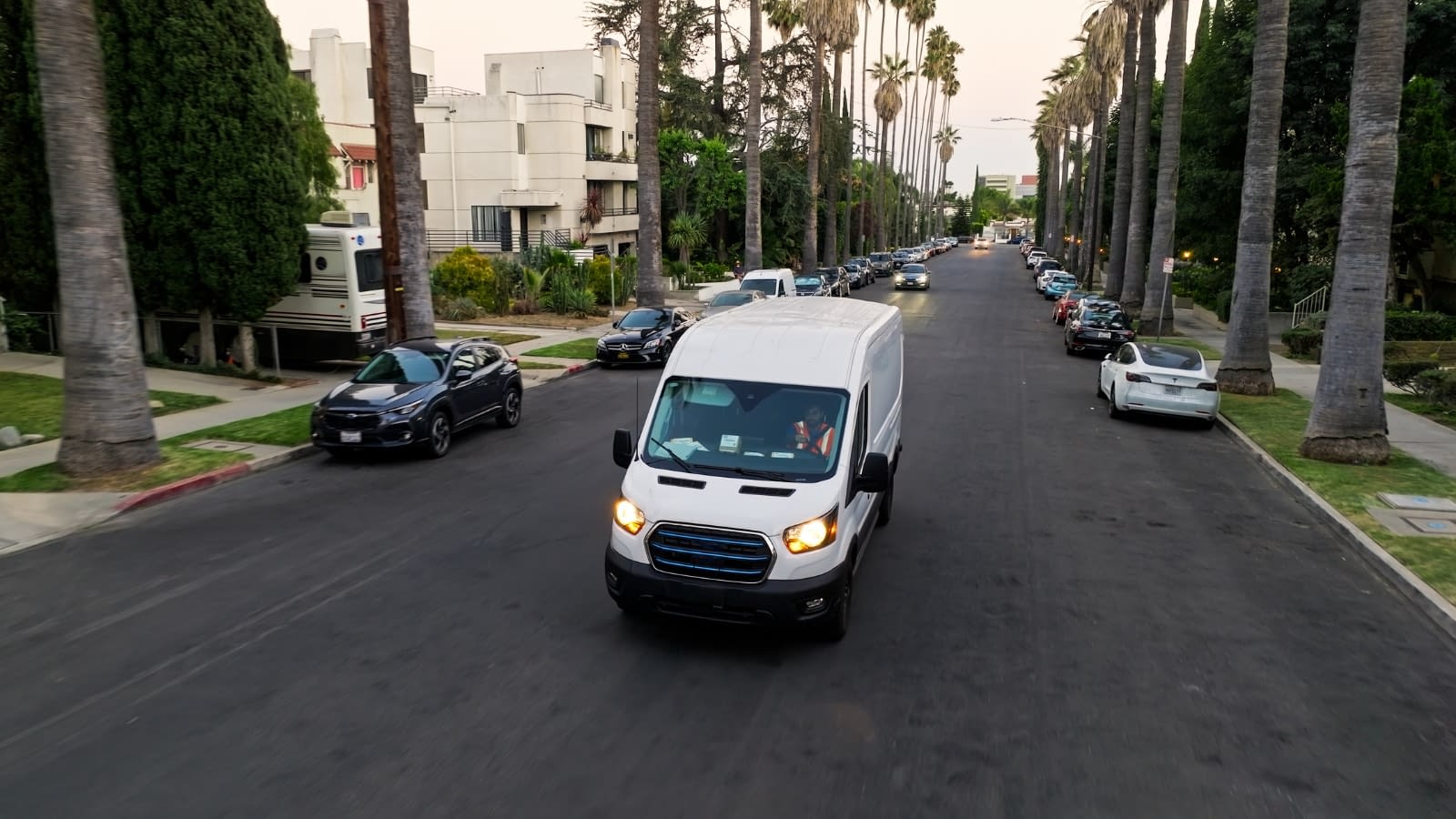
A vehicle can create business risk even when it looks like an ordinary car, pickup, or van. If a company owns vehicles, sends employees on work errands, delivers products, transports tools, or regularly visits customers, a personal auto policy may not address the full exposure.
Commercial auto insurance is designed for vehicles and driving connected to business operations. The right policy depends on who owns each vehicle, who drives it, how it is used, what it carries, and where it travels.
When Does a Business Need Commercial Auto Insurance?
A business should review commercial auto coverage when it owns or leases a vehicle, requires employees to drive for work, or uses vehicles for activities such as deliveries, service calls, transporting equipment, visiting job sites, or carrying customers.
Businesses that commonly need a review include contractors, cleaning companies, landscapers, delivery services, restaurants with delivery operations, real estate and sales teams, mobile service providers, food trucks, and companies operating a fleet.
Occasional business use can also matter. Tell your agent exactly how each vehicle is used instead of assuming a personal policy will respond to a business-related accident.
Personal Auto vs. Commercial Auto Insurance
Personal auto insurance is generally written for household driving. A commercial policy is designed around business ownership, business use, employee drivers, specialized vehicles, and liability exposures that can be different from personal use.
A personal policy may limit or exclude some business activities. Commercial policies can also offer liability limits and vehicle classifications suited to company operations. The policy type should match the actual use of the vehicle.
What Commercial Auto Insurance Can Cover
Available coverage varies by insurer, vehicle, state, and business operation. A commercial auto policy may include:
- Auto liability for covered bodily injury or property damage the insured business is legally responsible for after an accident.
- Collision coverage for covered damage to an insured vehicle caused by a collision.
- Comprehensive coverage for certain non-collision losses such as theft, vandalism, fire, or weather damage.
- Uninsured or underinsured motorist coverage when an at-fault driver has insufficient insurance, subject to state rules and policy terms.
- Medical payments or personal injury protection where available or required.
- Rental reimbursement, towing, or roadside assistance when selected and available.
Liability coverage does not automatically protect the company vehicle itself. Physical-damage coverage normally must be selected separately.
Hired and Non-Owned Auto Coverage
A company can face auto liability even when it does not own the vehicle involved. Hired and non-owned auto coverage may help protect the business when employees use rented vehicles or personal vehicles for company work.
Examples include an employee using a personal car to visit a customer, pick up supplies, make a bank deposit, or attend a work event. This coverage generally protects the business's liability interest. It normally does not pay for physical damage to the employee's personal vehicle.
Ask whether hired and non-owned auto coverage should be added to a commercial auto policy, business owners policy, or another business policy.
Vehicles, Drivers, and Business Property
A policy may schedule specific vehicles and drivers. Keep the list current when the business hires an employee, adds or removes a vehicle, changes garaging locations, or expands into a new territory.
Tools, equipment, customer property, and cargo carried in a vehicle may not be fully covered by the auto policy. Inland marine, cargo, or commercial property coverage may be needed for those items. Food trucks, heavy vehicles, and other specialized units can also require coverage beyond a standard commercial auto form.
What Affects Commercial Auto Insurance Cost?
Insurers may consider:
- Vehicle type, size, age, value, and safety features.
- How each vehicle is used and what it carries.
- Driver experience, motor vehicle records, and prior accidents.
- Annual mileage, operating radius, and travel territory.
- Where vehicles are garaged and how they are secured.
- Selected limits, deductibles, and physical-damage coverage.
- The business's industry, loss history, and fleet size.
Accurate information is important. A quote based on incomplete driver, vehicle, or usage details may not reflect the company's actual risk.
Fleet Safety and Loss-Control Checklist
Insurance is only one part of managing commercial driving risk. A practical fleet program can include:
- Written standards for who may drive on company business.
- Motor vehicle record checks at hiring and at regular intervals.
- Documented driver orientation and safety training.
- Rules for seat belts, mobile phones, distracted driving, and substance use.
- Preventive maintenance and daily vehicle inspections.
- Procedures for securing tools, equipment, and cargo.
- Telematics, dashcams, or other monitoring when appropriate.
- A clear accident-reporting process.
Review the program when seasonal demand adds vehicles, routes, mileage, or temporary drivers. Rapid fleet growth can change both insurance needs and day-to-day risk.
What Drivers Should Do After an Accident
Give every authorized driver written instructions. Depending on the circumstances, the driver should move to a safe location, call emergency services, exchange information, photograph the scene, identify witnesses, avoid admitting fault, and report the incident promptly through the company's established process.
Drivers should know whom to call and where insurance and registration information is kept. If the company uses telematics or dashcams, preserve relevant data according to the company's procedures.
Information to Gather Before Requesting a Quote
- Business name, operations, and locations.
- Vehicle identification numbers, values, garaging addresses, and current use.
- Names, license information, and driving history for all drivers.
- Estimated mileage, operating radius, and typical routes.
- Details about equipment, cargo, passengers, or deliveries.
- Current coverage, loss runs, contracts, and required limits.
- Use of employee-owned or rented vehicles.
Frequently Asked Questions
Does a business need commercial insurance for one vehicle?
Possibly. The number of vehicles is only one factor. Ownership, use, drivers, cargo, and contract requirements can make commercial coverage appropriate even for a single car, pickup, or van.
What if an employee uses a personal car for work?
The employee's personal policy and the company's hired and non-owned auto exposure should both be reviewed. Do not assume either policy automatically covers every business-related accident.
Are tools and equipment covered inside a work truck?
Commercial auto coverage may provide little or no protection for tools, equipment, or inventory. Ask about inland marine, cargo, or commercial property coverage.
Can anyone in the company drive an insured vehicle?
Driver eligibility depends on the policy and insurer. Provide a complete driver list and report staffing changes so the policy can be reviewed.
How often should a business review commercial auto coverage?
Review it at least annually and whenever vehicles, drivers, routes, operations, contracts, or garaging locations change.
Review Your Commercial Auto Risk With CGM
CGM Insurance Agency helps businesses review owned vehicles, employee driving, hired and non-owned exposures, limits, deductibles, and related property risks. Learn more about commercial auto insurance, explore CGM's business insurance options, or request a quote.
CGM serves businesses through its Atlanta, Georgia office and Riverside, California office.
Coverage availability, limits, exclusions, and requirements vary by policy, insurer, business, and state. Policy documents control the coverage provided.